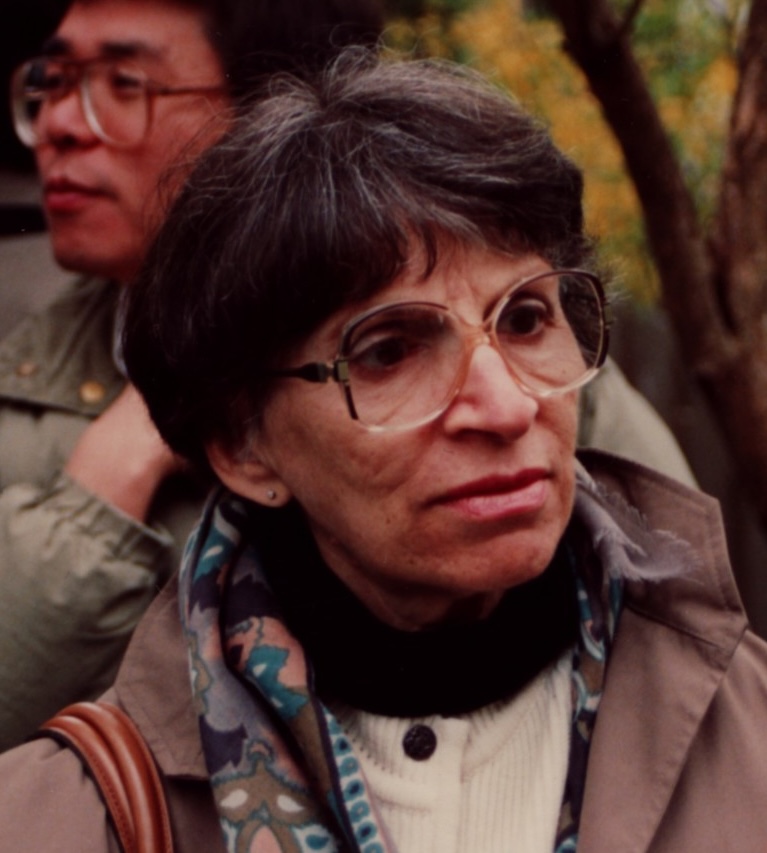
Leanne Rivlin, nee Green, generally known as “Lee,” was born in 1929 in Brooklyn where she remained a lifelong resident. She studied creativity in children and received her Ph.D. in Developmental Psychology from Columbia University in 1957. She and Ben Rivlin married that same year in 1957, in Paris. Together, always in Brooklyn, they raised their son, Marc.
As a founder in the field of Environmental Psychology starting in the late 1960s, Lee was respected for her insights regarding social issues, for the strength of her work and for her ethics of care. Over time, she carried out seminal research on privacy, children’s institutions, mental hospitals, public space, parks, a Hassidic Community, and homelessness. She was passionate about issues of social justice and for finding productive ways to address them. Methodologically, she pioneered the use of Behavioral mapping. But she had a commitment to understanding issues that went beyond merely applying the more effective research method. Lee believed that a researcher must deeply immerse herself in a social situation before beginning acts of research. For example, she volunteered and spent nights in a homeless shelter a year before even proposing her research. Because of this, she was able to see people in everyday but distressed situations, not merely as victims, but as potentially active actors with great creativity and capacity for self-determination. In Lee’s view, even children in a mental hospital deserved recognition for the useful choices they were capable of making in situations where they had agency. She had a great talent for pointing to the obvious once her research had made that obvious visible.
Rivlin was prolific as an author of social science journal articles and book chapters, often graciously listing her graduate students as first authors, focusing on issues of privacy, place attachment, public space, freedom of choice, research ethics, and environmental design.
She co-authored and co-edited several seminal books, including, with former Graduate Center President Harold Proshansky, Environmental Psychology: Man and His Physical Setting (1970) and An Introduction to Environmental Psychology (1974). She also co-wrote Institutional Settings in Children’s Lives (1985) and Public Space (1992).
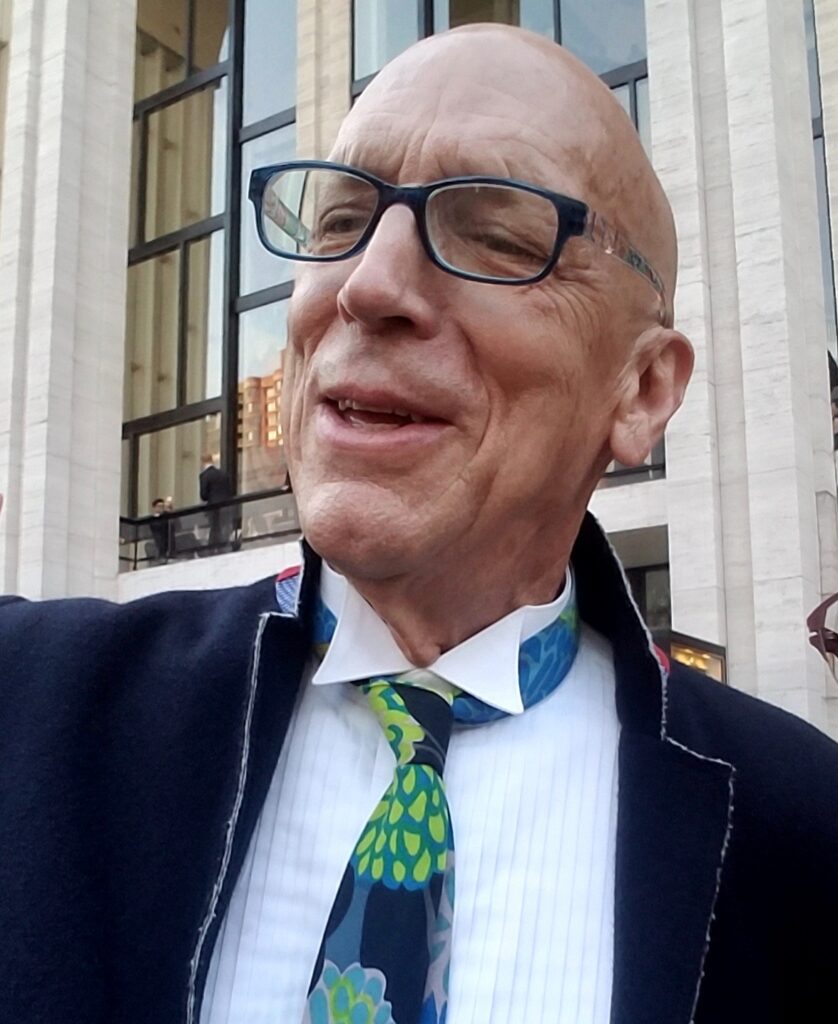
David Chapin is an architect and professor emeritus of environmental psychology at the CUNY Graduate Center, where he served as EP program head for many years while also teaching seminars such as “Architecture: Placing Desire” and “The Visual in Field Research”. He received a B. Arch. from Western Reserve University and an M. Arch. from the University of California–Berkeley. His interest in environmental psychology stemmed from dissatisfaction with the lack of attention to human needs and abilities in traditional architectural practice. He has done collaborative research on the design of institutional environments, including mental health institutions, children’s places, and the history of public housing in the US, and has actively promoted the use of collaborative visual methods in the field. His video projects include “Stretch Excites Learning”, “Leanne Rivlin and Environmental Psychology (with Roberta Degnore and Meredith Theeman) and “The Living Salk Institute” (with Zeynep Turan). He continues to design, film, edit, and build, and divides his time between Ohio and New York.
This film about Leanne Rivlin’s contributions to Environmental Psychology was made and produced by David Chapin, Roberta Degnore, and Meredith Theeman.

